


From Garment to Medical Device
Smart textiles are rapidly evolving from a technological curiosity into a fully-fledged medical solution. Researchers around the world are developing so-called e-textiles—electronic fabrics in which sensors, conductive fibers, and microelectronics are seamlessly integrated into the material itself.
These innovative textiles make it possible to continuously monitor vital body functions without burdening the wearer with separate devices or adhesive electrodes. They are also increasingly being used for preventive purposes. For example, Volvo Trucks has explored how smart textiles integrated into truck cabins could improve the well-being of truck drivers.
Where traditional health monitoring is often limited to hospitals or specific measurement moments, e-textiles offer a comfortable, discreet, and long-term alternative. In this way, textiles become an active partner in healthcare and everyday well-being.
What Are E-Textiles?
E-textiles are textile products with integrated electronic functionalities. They include T-shirts, underwear, sportswear, and even interior textiles equipped with built-in sensors capable of monitoring physiological signals and environmental conditions. Even curtains with integrated solar cells that generate electricity fall within the broader category of smart textiles.
The latest generation of e-textile systems can:
- Measure heart rate and heart rhythm (ECG)
- Monitor respiratory rate
- Record muscle activity (EMG)
- Track body temperature
- Analyze movement patterns
- Detect falls
- Measure air quality and noise pollution
Unlike conventional wearables such as smartwatches, the sensors are distributed throughout the fabric. This allows for more accurate measurements and continuous collection of medical data.
A Breakthrough Thanks to Textile Electrodes
For many years, one of the biggest challenges in wearable healthcare has been user comfort. Traditional electrodes require direct skin contact through adhesive pads, which can cause irritation over time and need regular replacement.
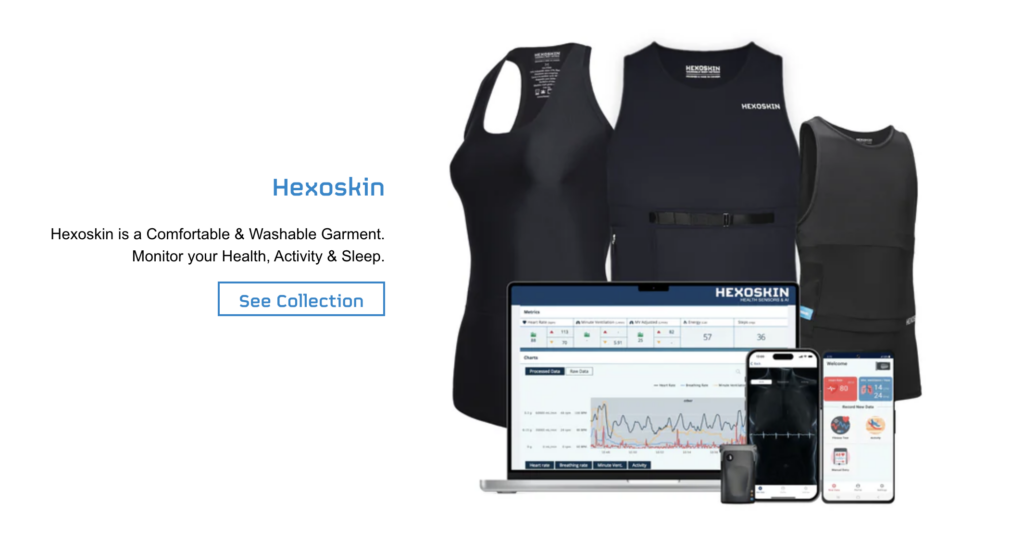
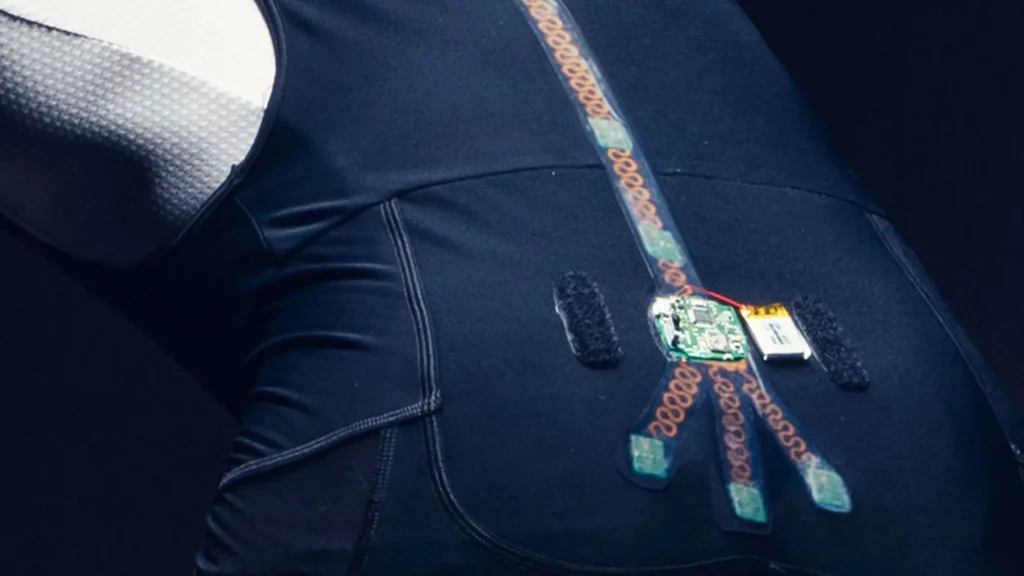
Recent research projects have demonstrated that microfiber electrodes can be integrated directly into textiles. These textile electrodes remain comfortable during prolonged use while maintaining their performance during everyday activities, sports, and even in wet conditions.
As a result, a new generation of ECG shirts is emerging that no longer feels like medical equipment but simply like ordinary clothing.
Healthcare Moves from Hospitals to Homes
Population aging and increasing pressure on healthcare systems are making home care and preventive monitoring more important than ever.
E-textiles can play a crucial role in this transition. Patients with heart conditions, chronic diseases, or those recovering from medical procedures can be continuously monitored without the need for frequent hospital visits.
This provides physicians with access to long-term datasets that offer a far more realistic picture of a patient’s health than a brief measurement taken in a clinical setting.
The technology also supports a shift from reactive to preventive healthcare. Abnormalities can be detected earlier, enabling timely interventions before conditions worsen
From Elite Sports to Rehabilitation
The medical sector is not the only field showing interest in smart textiles. Sports organizations and rehabilitation centers are also exploring the possibilities of integrated monitoring.
Athletes can monitor training load, recovery, and muscle activity with greater precision, while rehabilitation programs can be objectively evaluated using real-time data.
One of the major advantages of textile-based systems is that they cause minimal interference with movement, making measurements possible that would be difficult to achieve with conventional equipment.
Significant Challenges Remain
Despite rapid progress, medical e-textiles still face several important challenges.
Washability
Electronics and textiles traditionally have different lifespans. Researchers are therefore developing solutions that can withstand repeated washing and daily wear without compromising performance.
Power Supply
Smart clothing requires energy to operate sensors and wireless communication systems. Integrating flexible batteries, energy-harvesting fibers, and low-power electronics remains a key area of research.
Data Security and Privacy
Health data are among the most sensitive categories of personal information. Manufacturers of medical wearables must comply with strict European regulations concerning data protection and medical certification.
Opportunities for the Belgian Textile Industry
Belgium has a strong tradition in technical textiles, materials research, and high-tech innovation. Research institutions such as Ghent University (UGent), Centexbel and imec are internationally recognized leaders in sensor technology, flexible electronics, and smart materials.
For the Belgian textile industry, the growth of medical e-textiles presents significant opportunities. Combining expertise in textiles, materials science, and electronics perfectly aligns with the industry’s shift toward higher-value, knowledge-intensive products.
While traditional textile manufacturing faces increasing global competition, innovative niche markets such as medical wearables could provide a new growth strategy for both Belgian and European companies.
The Future of Smart Textiles as a Healthcare Platform
The boundary between textiles and technology continues to fade. What is considered cutting-edge medical equipment today may become an everyday part of our clothing tomorrow.
E-textiles transform fabrics into active interfaces between people and healthcare systems. From continuous heart monitoring to preventive health analysis, the textiles of the future will not only provide comfort and protection—they will also help safeguard our health.
For textile manufacturers, researchers, and healthcare providers alike, this represents an emerging market where innovation, comfort, and medical value converge.
