When Jaak Delobelle, R&D specialist at De Witte Lietaer, presented an innovative idea to the company’s management, he had already spent a long career in the textile industry. His ambition? To make a meaningful contribution to the sustainability of household linen before retiring. The result? Compostable household linen. Yes, really: bed linen and towels that can be disposed of with organic waste.
Recycling Isn't Always the Best Solution
You could say this innovation was born out of frustration. Like many breakthroughs, it started with a shared concern. While recycling is often promoted as the ultimate sustainability solution, that is not necessarily true for household linen.
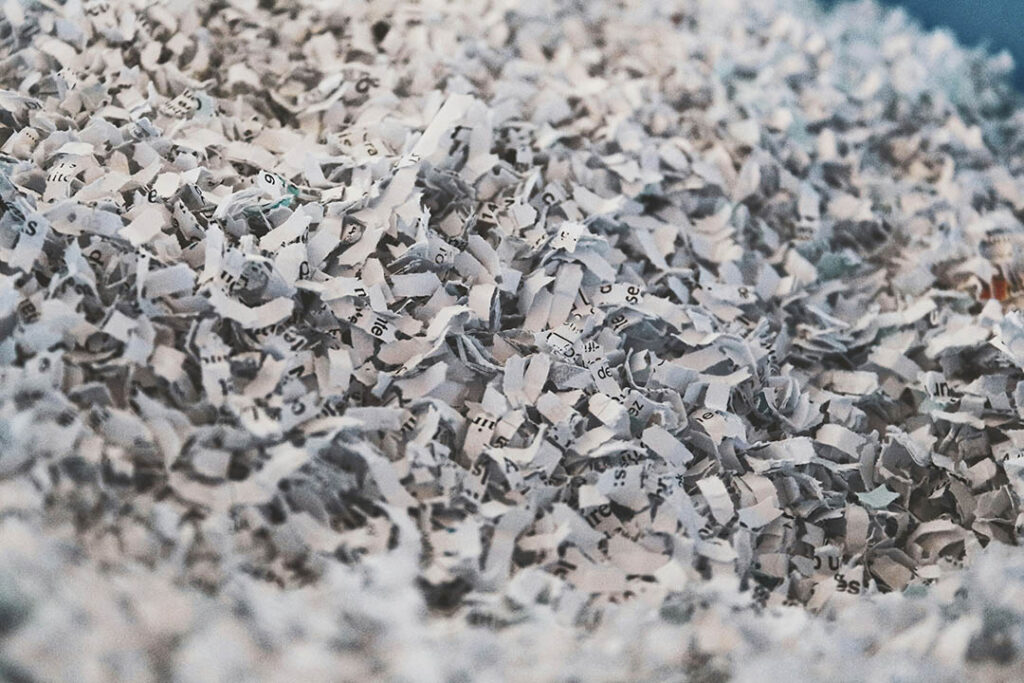
Recycling natural fibres such as cotton is essentially a mechanical process. Discarded textiles are shredded and reprocessed into new fibres. Although this creates new raw material from old textiles, the fibres inevitably become shorter. Even when they are blended with virgin fibres—as the textile industry calls it—the resulting yarn is weaker, and so is the fabric. For hotel linen, this means a shorter service life and, ultimately, higher replacement costs.
Why Hotel Linen Has to Be So Durable
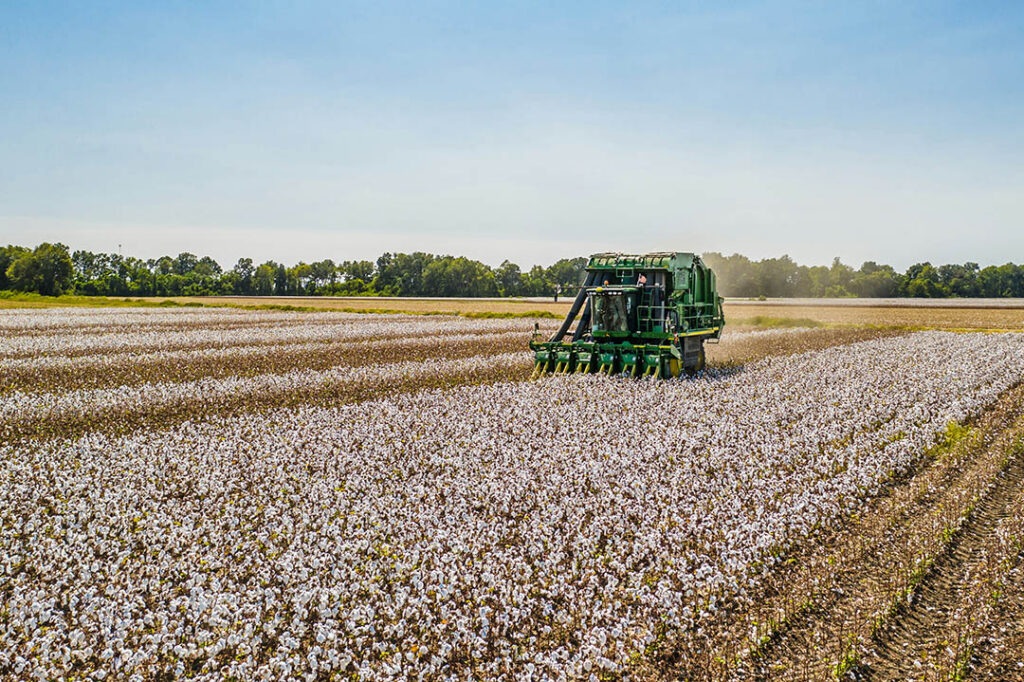
Cotton is the most widely used material for towels, bath linen and bed linen, especially in the hospitality industry. It is a natural fibre with excellent moisture absorption and high wet strength, meaning it retains its strength when wet and does not tear easily. This is essential, as hotel linen is washed frequently and intensively, usually in industrial laundries.
As a market leader—De Witte Lietaer enjoys an international reputation for its hotel linen—the company has high standards to uphold. Its products are designed to withstand up to 180 industrial wash cycles at temperatures exceeding 57°C (135°F), a level of performance that recycled fibres simply cannot achieve. Compostable linen therefore offers a realistic and environmentally responsible alternative.
“This innovation is all the more significant because it does not only address the product’s end of life, but its entire life cycle.”


The Recipe for Compostable Bed Linen
No Optical Brighteners
Cotton, linen, hemp, wool and silk are naturally biodegradable. However, the chemicals used during textile finishing—particularly optical brighteners—prevent them from breaking down naturally.
To make bed linen and towels compostable, they must therefore be completely free of optical brighteners. At first glance, the difference is almost invisible. But when you place bleached and unbleached fabrics side by side, you can see that compostable cotton has a slightly softer, more natural off-white appearance.
Sewing Thread and Labels
The sewing thread and labels added during garment manufacturing also matter. They, too, must be compostable, preferably made from cellulose or cotton. Although this may seem like a minor adjustment, it requires many textile manufacturers to adapt their standard production methods.
Why Isn't Compostable Linen Already Widely Used?
As with many innovations, success depends on the entire value chain being ready to embrace it. In the case of compostable linen, industrial laundries are the critical link.
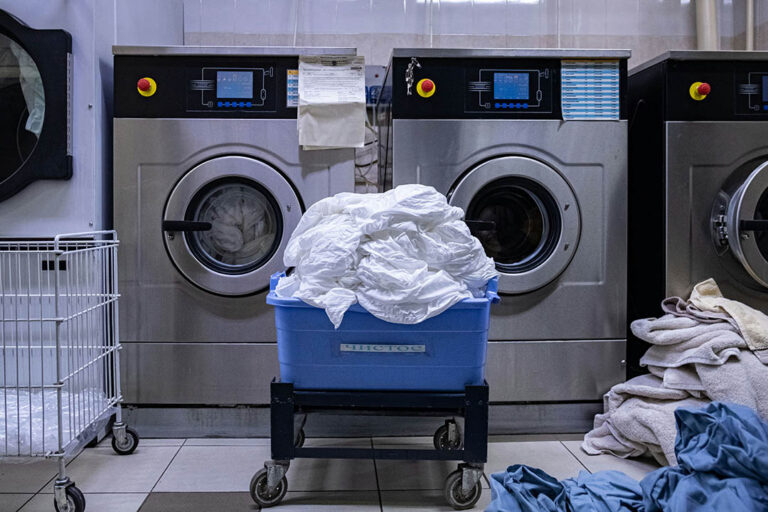
Their washing processes need only slight modifications. Conventional bleached textiles require chemical bleaching agents during laundering, whereas compostable linen does not. Washing temperatures can also be lower, benefiting both the environment and, over time, the laundries themselves.
If a laundry processes both conventional and compostable products, they must be handled separately. Fortunately, sorting is straightforward: optical brighteners are easily detected under UV light. Nevertheless, it requires an additional sorting step and separate washing processes.
Working Together to Make It Happen
De Witte Lietaer has opted for a gradual market introduction and is collaborating with partners throughout its ecosystem to facilitate adoption. One of those partners is Christeyns, a leading supplier of professional laundry solutions. Together, they are optimising washing processes and identifying the most suitable products for maintaining compostable textiles.
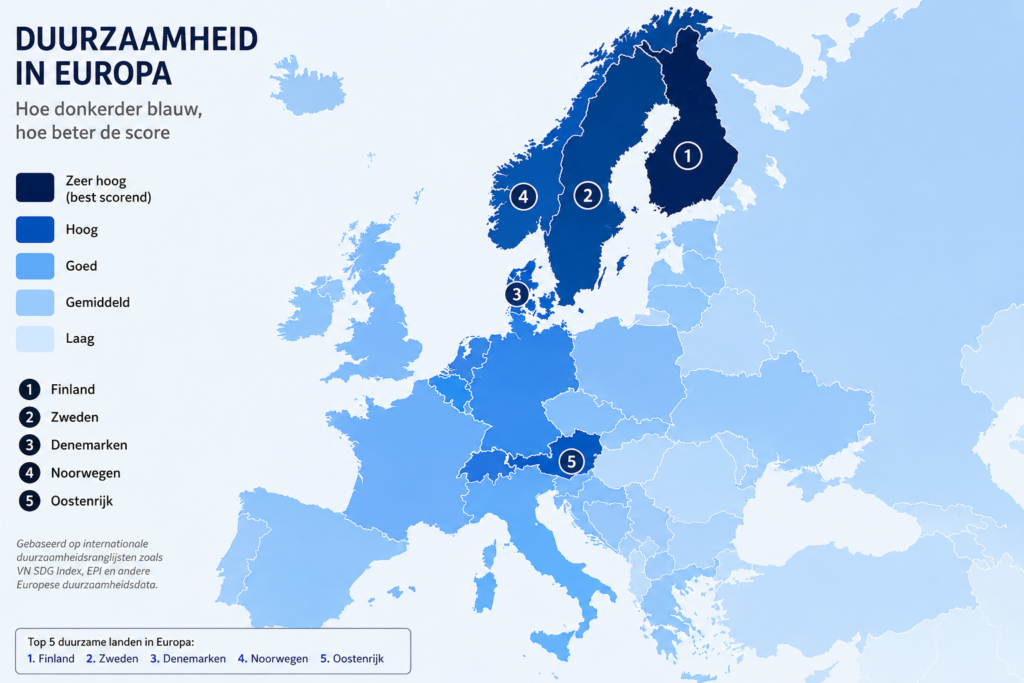
Scandinavian Hotels Lead the Way
Hotels in Scandinavia have been particularly enthusiastic about the innovation.
“That comes as no surprise,” says Jaak Delobelle. “Sustainability is a major priority in these countries.”
Now preparing for his retirement, Delobelle is confidently handing over the project to his colleague Philip Bonte.